
Diet-Friendly Snacks for Your Weight Loss Journey
Discover scientifically-backed snacking strategies that support your wellness goals. Explore our comprehensive guide to smart snacking choices.
Why Smart Snacking Matters
Natural Ingredients
Whole food-based snacks with minimal processing to support your dietary goals
Calorie-Conscious
Portion-controlled options designed to fit within your daily nutritional framework
Nutrient-Rich
High in protein, fibre, and essential vitamins to keep you satisfied between meals
Energy Sustained
Balanced snacks that provide steady energy without blood sugar spikes
Browse by Category
Curated Diet Snack Selection
Hard-Boiled Eggs
One of nature's perfect proteins. Hard-boiled eggs deliver 6 grams of protein per egg with minimal calories, making them an excellent choice for sustained energy and appetite control throughout your day.
Almonds & Walnuts
Nutrient-dense tree nuts packed with omega-3 fatty acids, magnesium, and antioxidants. A modest handful provides healthy fats that promote satiety and support metabolic function during your wellness journey.
Cheese Cubes
Natural cheese offers calcium and casein protein without significant carbohydrate content. Pair with a small apple or crackers for a balanced snack that stabilises blood sugar and reduces afternoon cravings.
Mixed Berries
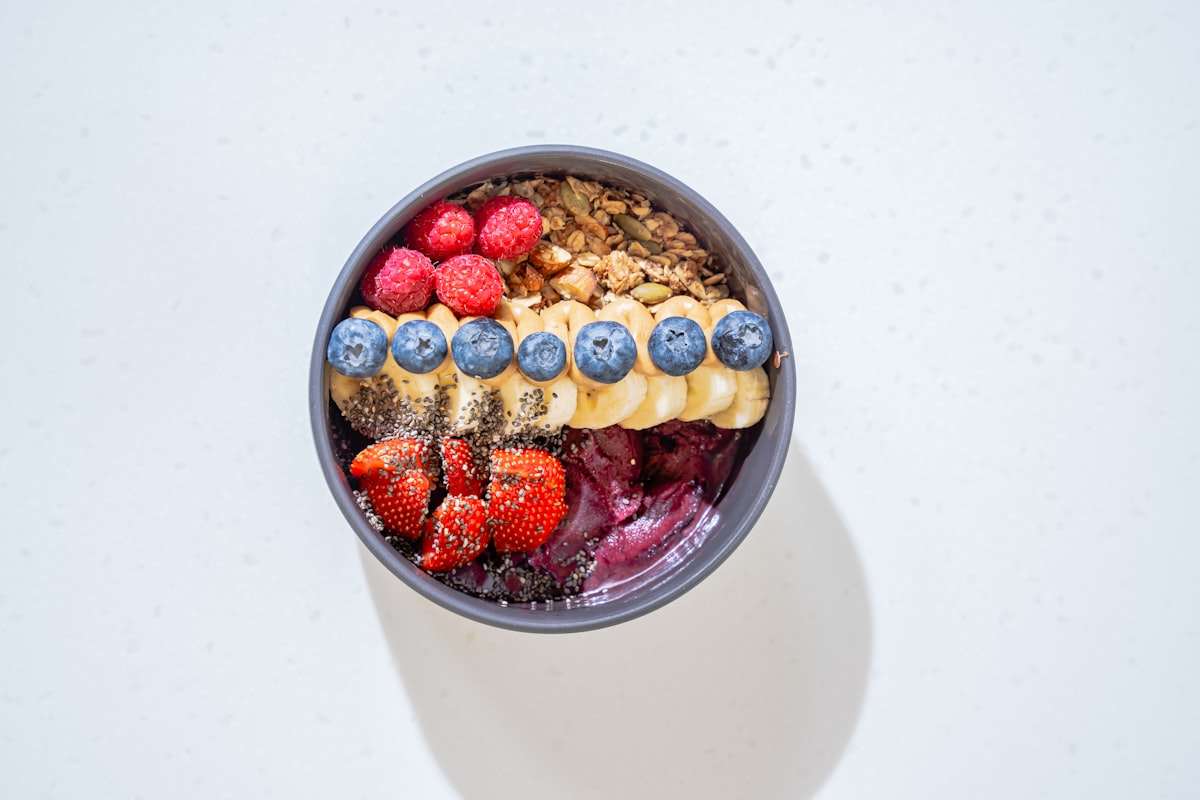
Blueberries, raspberries, and strawberries provide natural sweetness with minimal sugar compared to other fruits. Rich in antioxidants and fibre, they support digestive wellness and provide lasting energy.
Vegetable Crudités
Sliced carrots, celery, bell peppers, and cucumber offer maximum volume with minimal calories. High water and fibre content promotes fullness without impacting your daily energy budget, ideal for mindful snacking.
Greek Yogurt
Packed with 15-20 grams of protein per serving, Greek yogurt is thicker and more satiating than regular yogurt. Add berries or a small drizzle of honey for a balanced snack that supports lean muscle maintenance.
Why Choose Smart Snacking for Your Diet
Strategic snacking between meals is not about deprivation—it's about making informed choices that align with your wellness goals. When you select nutrient-dense snacks, you stabilise blood sugar levels, reduce energy crashes, and diminish cravings for ultra-processed foods.
The key is understanding the difference between mindless eating and purposeful nutrition. Every snack you select should contain protein, healthy fats, or fibre to keep you satisfied until your next meal. This approach transforms snacking from a source of guilt into a cornerstone of sustainable wellness.
Sustained Energy Levels
Balanced snacks prevent the energy dips that often lead to poor food choices and fatigue.
Portion Control Mastery
Pre-portioned snacks eliminate guesswork and help you stay within your daily nutritional targets.
Improved Metabolic Function
Frequent, balanced eating supports steady metabolism and nutrient absorption throughout the day.
Your Step-by-Step Snacking Guide
Assess Your Goals
Identify what you're trying to achieve—energy maintenance, appetite control, or specific nutritional targets—to guide your snack selection.
Choose Whole Foods
Prioritise unprocessed or minimally-processed options like nuts, fruits, vegetables, and dairy to maximise nutritional density.
Pre-Portion & Prepare
Measure portions in advance and store in accessible containers to make healthy choices automatic and convenient.
Track & Adjust
Monitor how different snacks affect your energy and hunger cues, then refine your selections based on real-world results.
Common Questions About Diet Snacks
The ideal snacking frequency depends on your personal schedule and goals. Most people benefit from one or two snacks between main meals—typically mid-morning and mid-afternoon. This pattern helps stabilise blood sugar, prevents overeating at main meals, and maintains steady energy. However, if you're eating frequent smaller meals, additional snacks may be unnecessary. Listen to your hunger cues and adjust based on your activity level and satiety patterns.
Yes, but the type of snack matters more in the evening. Choose options with protein and fibre but lower sugar content. Greek yogurt, nuts, hard-boiled eggs, and vegetable sticks are excellent choices. Avoid highly processed snacks close to bedtime, as sugar spikes can interfere with sleep quality. If evening hunger is persistent, consider whether your earlier meals provided adequate protein and healthy fats to maintain satiety through dinner.
Pre-portion nuts into small containers or bags immediately after purchase. A standard serving is approximately 1 ounce (about a small handful)—roughly 23 almonds, 14 walnut halves, or a quarter cup of mixed nuts. This prevents mindless overeating straight from a large bag. Keep your pre-portioned snacks visible in your workspace to prompt intentional consumption rather than unconscious grazing throughout the day.
Dried fruits are nutrient-dense but calorie-concentrated compared to fresh fruit because water removal reduces volume. A small handful of dried berries or apricots provides similar nutrients to a larger serving of fresh fruit, but fewer volume cues for satiety. They work well when paired with protein (like almonds or cheese) and consumed in measured amounts. Fresh fruit is typically the better choice if you're prioritising fullness on fewer calories, but small portions of dried fruit can fit into a balanced approach.
True hunger builds gradually and is satisfied by most foods. Boredom-based cravings are sudden, specific, and often emotional. A useful test: would you eat an apple or hard-boiled egg? If yes, you're likely physically hungry. If you're resistant unless it's something sweeter or more indulgent, you may be responding to emotional triggers. Before snacking, pause to assess—drink water, take a brief walk, or check in with your energy and mood. This awareness transforms snacking from automatic behaviour into a conscious choice aligned with your actual needs.
Absolutely. High-protein snacks are essential when reducing overall calorie intake because they preserve lean muscle tissue and support recovery from physical activity. Snacks like Greek yogurt, hard-boiled eggs, cheese, and protein-rich nuts provide the amino acids your muscles need for repair and adaptation. Distribute protein throughout the day via snacks and meals rather than concentrating it in one or two sittings—this approach optimises muscle protein synthesis and reduces muscle loss during calorie reduction.
Success Stories from Our Community
Switching to intentional snacking completely changed my relationship with food. Instead of raiding the vending machine at 3pm, I now have Greek yogurt or almonds prepared, and my energy stays stable all day. I've lost significant weight over three months without feeling deprived—just by making smarter snacking choices.
Sarah Mitchell
Manchester, United Kingdom
"I was always hungry between meals, but these snack recommendations taught me the importance of pairing protein with fibre. Now I actually look forward to my snacks because they're satisfying and delicious. My afternoon slump disappeared within a week."
James Chen